Understanding Ketosis

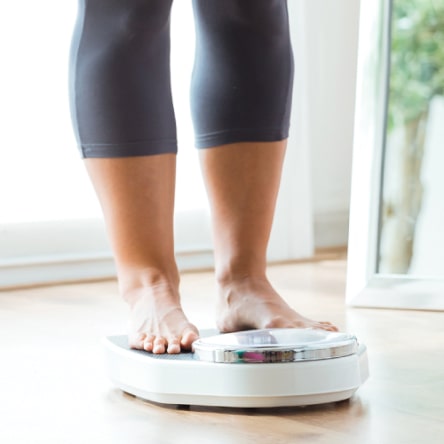
If you’ve heard about ketosis, then you’ll probably know it’s often associated with fast weight loss. What it is not, however, is a magical quick and easy fix that many diets claim it to be.
What is Ketosis?
Our bodies all need energy and the preferred source of that energy comes from carbohydrates in our diet. Ketosis is a normal metabolic process that occurs in your body when there aren’t enough carbohydrates to use for energy. So instead, the body burns its own fat for the fuel it needs – and as you burn fat you lose weight.
| With ketosis your body finds an alternative fuel source to burn – your own fat stores! |
What happens during ketosis?
You know the fat that’s stored in your body that you want to lose. Well if your carbohydrate and total calorie intake is low enough, you start to use your own fat stores to fuel your body – not just to provide energy for exercising, walking or going about our daily lives, but also for breathing, sleeping and simply staying alive! It’s what can happen during the OPTIFAST VLCD Program Intensive Level.
| Weight loss happens pretty quickly during ketosis and can be a good motivator when starting out on your weight loss journey. |
How can the OPTIFAST VLCD Program induce ketosis?
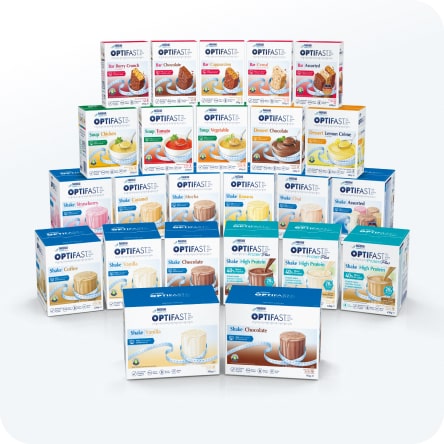
The OPTIFAST VLCD Program Intensive Level involves replacing 3 meals a day with a range of low carbohydrate, high protein shakes, desserts, soups or bars. They contain all the nutrition your body needs, vitamins and minerals, and particularly protein which is important, as it’s fat you want to lose, not your lean muscle. Mild ketosis is induced when all 3 meals are replaced and forms the basis of the Intensive Level on the OPTIFAST VLCD Program. It provides no more than 800 calories a day, and as it causes only a mild ketosis, it’s a safe approach to weight loss.
What is the 3 day challenge?
|
What may I notice during ketosis?
Some people report that ketosis suppresses their appetite which helps make following the OPTIFAST VLCD Program Intensive Level easier. Once your body is in ketosis, you may notice your breath can smell a little. That's caused by ketones that are a by-product of ketosis and can usually be managed easily by chewing on low-calorie mint, sugar free chewing gum, or even parsley for fresh breath confidence.
How much weight could I lose during ketosis?
Very low calorie diets, such as the Intensive Level of the OPTIFAST VLCD Program, have been shown to be very effective in helping people lose weight. During ketosis, when replacing all 3 meals each day over a period of up to 3 months, weekly weight losses can average about 1-2.5kg per week1,2.
Where do I go after ketosis?
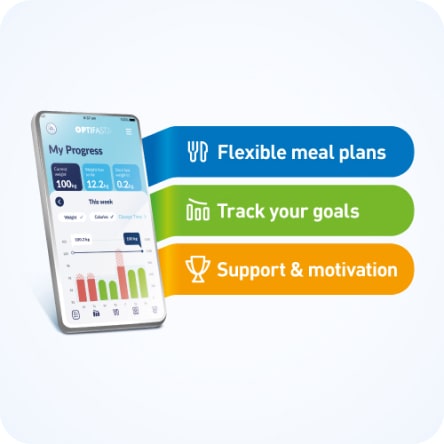
Ketosis only occurs during the Intensive Level of the OPTIFAST VLCD Program. The Program is flexible, so when you’re ready, you can choose to replace two or even just one meal a day with OPTIFAST VLCD products and incorporate regular healthy meals. Following the advice offered on the OPTIFAST VLCD website not only helps you manage your weight, it can also motivate you to make healthier lifestyle choices as you go forward. Why not watch Dietitian Jo Turner discuss ketosis in the video library and more!
| Find an Accredited Healthcare Professional to help guide you on the OPTIFAST VLCD Program. |
The Intensive Level of the OPTIFAST VLCD Program is an example of a very low calorie diet, which induces mild ketosis and can help achieve fast weight loss. However it is not suitable for everyone so you need to check with a healthcare professional, such as a doctor, dietitian or pharmacist before commencing on this program.
OPTIFAST VLCD is for the dietary management of obesity and must be used under the supervision of a healthcare professional. Speak to your healthcare professional to find out if the OPTIFAST VLCD Program is suitable for you.
References:
1. Delbridge, E. & Proietto, J. Asia Pacific Journal of Clinical Nutrition, 2006;15(Suppl): 49-54.
2. Mustajoki, P. & Pekkarinen, T. Obesity Reviews, 2001;(2):61-72.